Micromanaging 12 People? You Already Lost Them.
Clear ownership beats constant check ins.
Control feels fast and fails slow
We get why leaders hover. You care. You see risk early. You think if I check more, we will slip less. So you ask for updates. You join every call. You review every draft. It feels like care.
But how does it feel to your team. Heavy.
When twelve people wait for one approval, speed dies. Good folks stop deciding. They ask first. They play safe. They hide half done work until it looks perfect. Then surprises pop late when fixes cost more.
We did this ourselves in year three. We grew to twelve. We got scared. So we added check ins and sign offs. Every design needed a nod. Every post needed a look. We thought quality would rise. Instead pace fell. Our best dev said quietly I stopped owning and started waiting. That line hurt. He was right. We had turned owners into waiters.
Micromanaging rarely comes from malice. It comes from fog. When you cannot see truth, you chase it. The fix is not more grip. It is more clarity.
Trust plus clarity wins
Can you trust and still see all. Yes. That is the job.
Trust without sight is blind. Sight without trust is spying. Small companies need both. Trust that people want to do good work. Clarity that shows who owns what and when it lands.
Think of trust as the engine and clarity as the road. Engine with no road spins out. Road with no engine goes nowhere. You need both to reach customers.
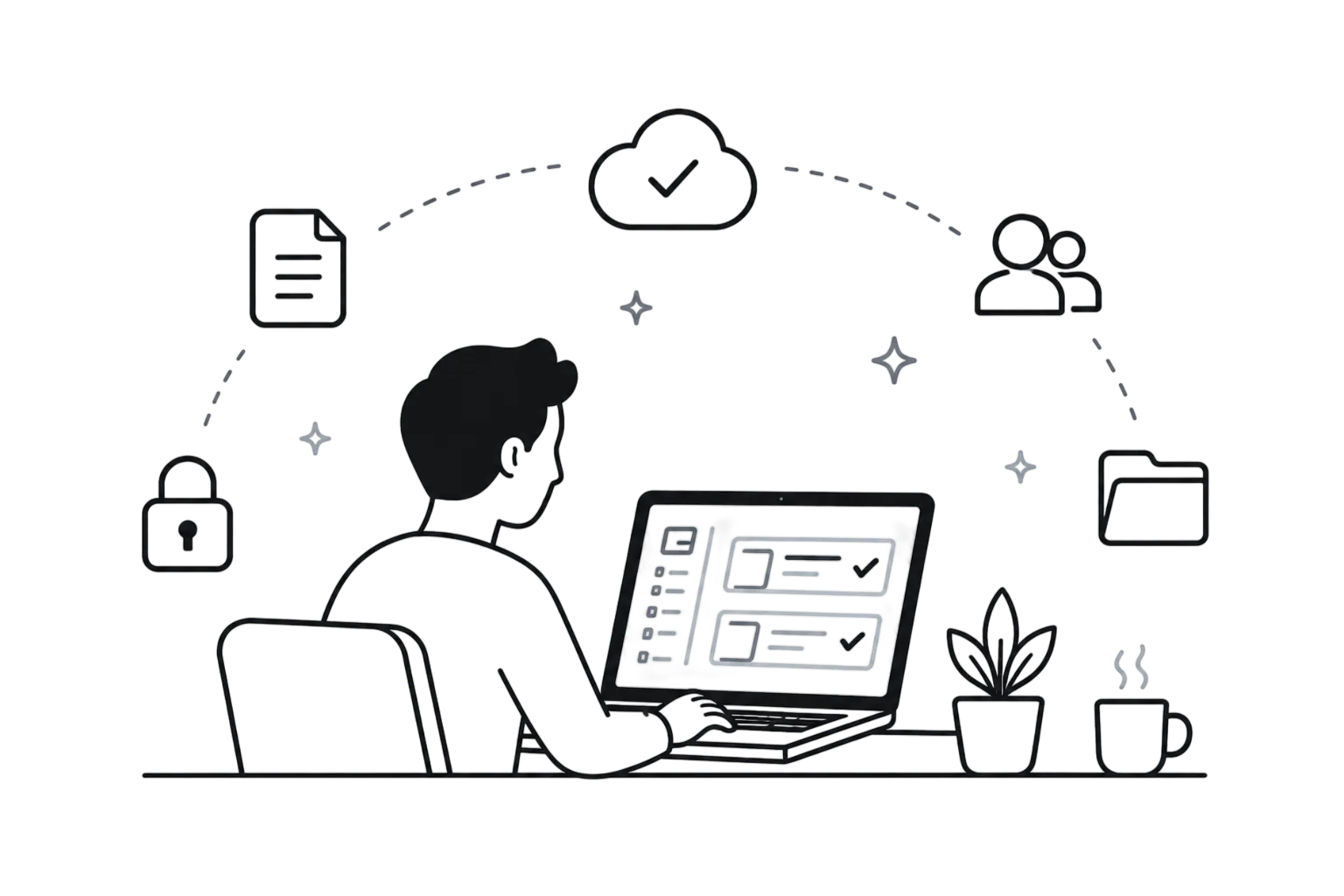
What does this look like daily. Each task has one owner and one date. Done means visible to the next person. Talk lives on tasks. Anyone can see overdue and due today in seconds. No asking. No chasing. Just truth.
When that is in place, you can step back. Not away. Back. You review outcomes, not keystrokes. You coach stuck work, not all work. People feel owned, not watched. They decide faster. They tell truth earlier.
We saw a team of twelve flip in three weeks with this shift. Same people. Same tools. New pact. Owners decide. Dates show risk. Notes tell story. The founder stopped pinging for status. Status was already there. She used freed hours for sales. Revenue thanked her.
Stop asking for status
How many times a day do you ask where is this.
Each ask costs two people time. You wait. They hunt. They answer. You parse. Multiply by twelve and by five days. That is a part time job spent on hunting.
Fast small companies kill status asks with shared sight. One board per project. Same columns. Owner and date on all. Morning view for each person. If anyone wonders, they look. Looking beats asking.
We made a team rule. Never ask for status that the board can show. If the board cannot show it, fix the board, not the person. Missing owner. Add it. Missing date. Add it. Vague done. Tighten it. Soon asks drop because answers are already visible.
Does this remove talk. No. It upgrades talk. Instead of where is this, we ask how can I unblock you. Instead of are you done, we ask what did you learn. Better questions. Better energy.
Try counting your status pings tomorrow. Tally each one. Then ask which ones a clear board would have answered. That gap is your prize. Close it.
Give outcomes not steps
Do you tell people how or what. There is a big gap.
How sounds like use this template, then send to me, then wait, then post on Tuesday. What sounds like publish the launch post by Tuesday noon that drives demo calls. One breeds dependence. The other breeds ownership.
Small teams cannot afford dependence. You have no spare managers to script steps. You need thinkers who choose paths. So give the outcome, the date, and the why. Let them choose the how.
We learned this from our support lead. We used to script replies. She followed them and sounded flat. Customers felt it. Then we switched to outcomes. Clear inbox by six. Kind tone. Solve in one touch when you can. She soared. Same person. More room. Better results.
Clear on what. Loose on how. That is the motto. Check the result at the date. Coach in between only when asked or stuck. Freedom with a finish line.
It works.
Coach stuck not all
Where should your hours go as a leader of twelve. To stuck work.
Most managers spread thin. A little check on all. A lot of value on none. Flip it. Let clear work flow untouched. Pour time into blocked work. That is where you multiply.
How do you spot stuck fast. Look for overdue. Look for cards that sit in doing too long. Look for notes that say waiting. Those signals beat gut feel. They tell you where to help today.
Then coach with questions. What is blocked. What have you tried. What is the next smallest unblock. Who can help by Friday. Short. Kind. Useful. Then leave them to act. Do not take the task. Unblock the owner.
We do a fifteen minute sweep midday. Just stuck cards. No wins parade. No general round. Only where help moves the needle. People love it because it respects their time. They bring blocks early instead of hiding them. Early blocks are cheap. Late surprises are dear.
What twelve need from you
Twelve people do not need a hero. They need a host.
Set the table. Same columns. Clear owners. Honest dates. Notes on tasks. Morning focus. Friday review. Then let dinner happen. People will talk and ship and laugh without your hand on all.
Will some slip. Yes. That is data, not drama. Ask why with care. Was the task too big. Was the date a guess. Was the owner split. Fix the cause lightly. Then trust again.
- Show overdue and due today for all so you can lead from sight
- Give each task one owner and one date so no one waits on you
- Ask for notes on moves so you coach from facts not fear
- Give outcomes and dates and let owners choose steps
- Spend daily time on stuck work only and let clear work flow
Lead like this and twelve feels light. People stay. Pace holds. You sleep better because truth is on the board, not in your head.
We built Clarityy for leaders who want trust plus clarity. Clear owners and dates, calm daily views, and notes on tasks so you can stop hovering and start helping where it counts.